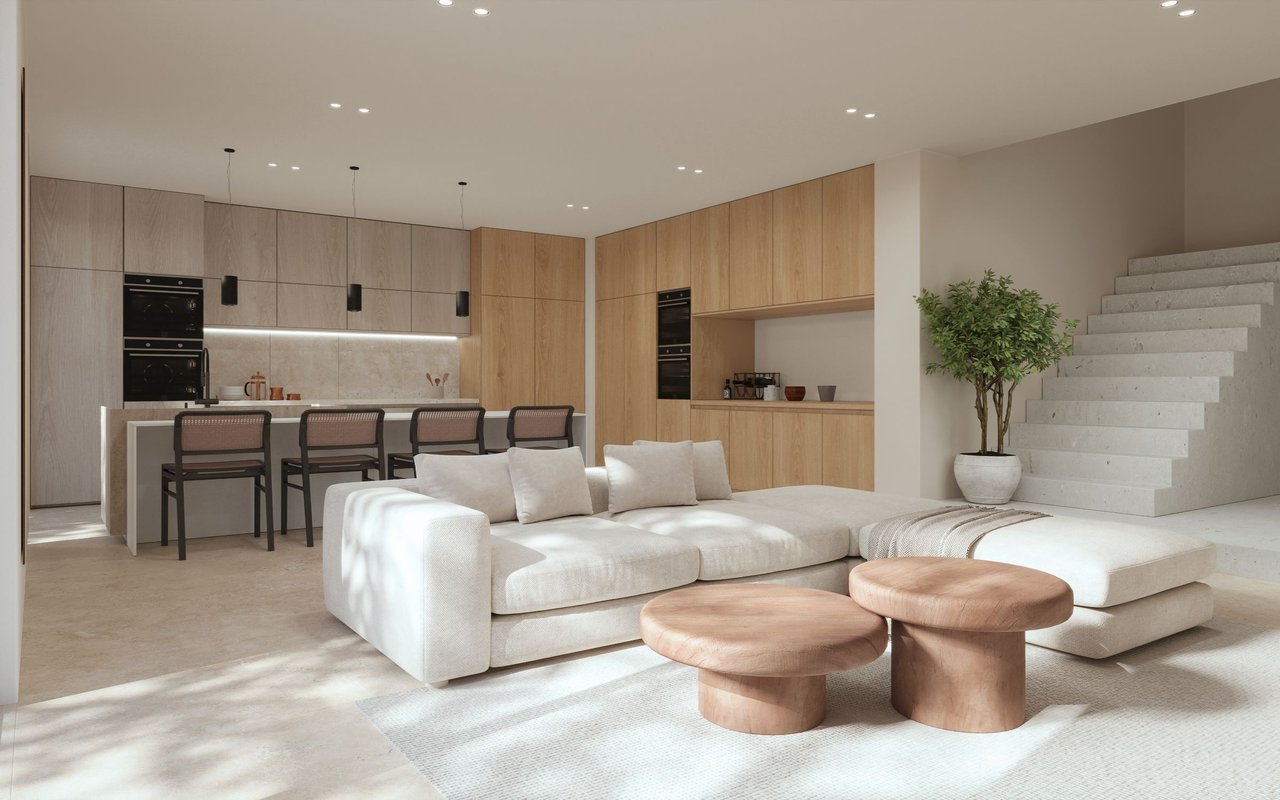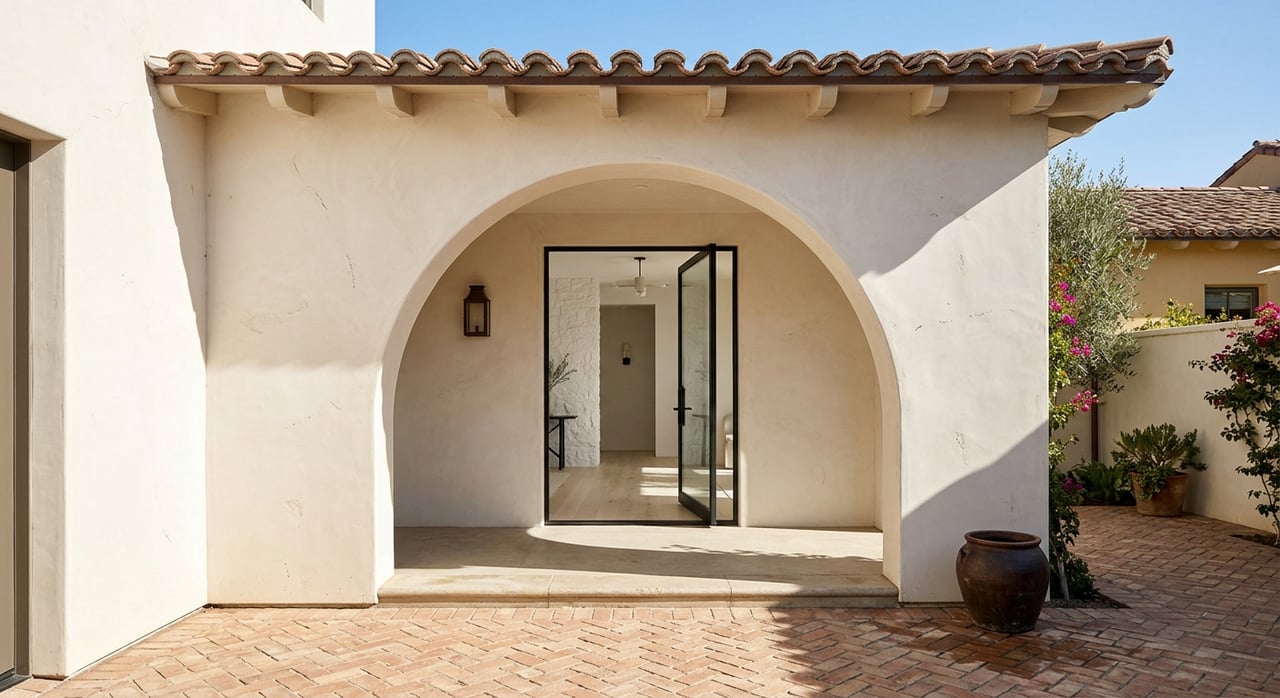
If you are shopping for a home in Santa Barbara, architecture is not just about curb appeal. Here, style often shapes how a home lives day to day, how it connects to outdoor space, and what future updates may involve. When you understand the city’s most common architectural styles, you can narrow your search with more confidence and spot the details that matter most. Let’s dive in.
Why architecture matters in Santa Barbara
Santa Barbara stands out from other coastal California markets because the city has long protected its historic character. According to the city, early preservation efforts helped save original Spanish Colonial and Mexican-era adobe buildings, and the rebuilding that followed the 1925 earthquake helped define the city’s architectural identity.
That history still shows up in today’s housing market. In Santa Barbara, style is often tied to both design and process, especially in historic areas where exterior changes may be reviewed by the city.
Climate plays a role too. Santa Barbara’s mild setting between the mountains and the sea, along with average annual precipitation of 18.98 inches and very dry summers, helps explain why stucco walls, tile roofs, patios, courtyards, and shaded outdoor rooms feel so natural here.
Spanish Colonial Revival homes
Spanish Colonial Revival is the signature Santa Barbara look. The city identifies it as central to Santa Barbara’s identity, with defining features like smooth stucco or plaster walls, low-pitched roofs, terra-cotta tile, deeply recessed wood windows, wood or iron grilles, and asymmetrical massing.
For you as a buyer, this style often means a home designed around shade and outdoor living. Patios, pergolas, verandas, and courtyards are common, so the house may feel like it unfolds in layers rather than opening into one single large room.
This style can also come with practical upkeep considerations. Stucco, roof tiles, and wood or iron trim may all need periodic attention, especially if the home is older.
Mission Revival homes
Mission Revival is closely related to Spanish Colonial Revival, but it has its own distinct look. The city describes Mission Revival homes as featuring mission parapets, smooth stucco walls, red terra-cotta tile roofs, arched arcades or porticos, and recessed windows.
Compared with Spanish Colonial Revival, Mission Revival often feels a bit more compact and more sculptural from the street. You may notice strong rooflines, sheltered entries, and broad stucco surfaces that create a simpler, more fortress-like impression.
If you are drawn to historic character and protected outdoor spaces, this style may appeal to you. Arcades, porches, and recessed openings can make the home feel shaded and grounded, which fits Santa Barbara’s climate especially well.
Italian Mediterranean homes
Italian Mediterranean homes are another major part of Santa Barbara’s architectural story. The city notes that this style was especially important to Santa Barbara’s image as the new American Riviera, and that local climate and geography helped make Italian villa forms feel at home here.
These homes often feature square or rectangular massing, hipped roofs, Roman pan-and-barrel tile roofs, boxed eaves with classical cornices, recessed arched entries, and paired casement windows. In areas like the Riviera and Upper East, buyers are especially likely to encounter this style.
From a lifestyle standpoint, Italian Mediterranean homes often feel more symmetrical and villa-like than Spanish Colonial Revival homes. If you like formal balance, garden-oriented living, and a classic coastal hillside feel, this may be a style worth watching for.
Craftsman homes
Craftsman homes offer a very different aesthetic from Santa Barbara’s stucco-and-tile traditions. The city’s guide highlights natural materials, simplicity, hand-crafted detail, low-sloped roofs with large eave overhangs, exposed rafters, wide porches, tapered columns on masonry piers, wood siding, and sandstone details.
Santa Barbara has a large intact concentration of Craftsman bungalows, with many located around downtown. These homes often feel warm, tactile, and porch-forward, with a stronger emphasis on visible craftsmanship and wood detail.
For buyers, the tradeoff is often charm paired with more exterior maintenance. Wood siding, painted surfaces, porch details, and exposed wood elements may require more ongoing care than a stucco-based style.
Mid-century modern homes
If you prefer openness, clean lines, and a stronger connection between inside and out, mid-century modern may be the style that fits you best. Santa Barbara includes designated mid-century resources, and the style remains an important option for buyers who want light-filled spaces and a more modern layout.
The style is often associated with large expanses of glass, open interior plans, picture windows, and sliding glass doors. In practical terms, that can mean long sightlines, brighter interiors, and a stronger visual relationship with the landscape.
Maintenance can look different here than it does in older stucco styles. Because mid-century homes often emphasize glazing and low-slope rooflines, buyers may want to pay close attention to glass, seals, and roof performance.
Other historic styles you may see
While Spanish Colonial Revival tends to get the spotlight, it is not the whole story. The city also notes that Santa Barbara neighborhoods include Victorian-era homes such as Italianate, Eastlake, and Queen Anne on the Lower West Side, as well as period-revival homes on upper State Street.
These styles may not define the city’s image in the same way, but they still shape the local housing stock. If you are exploring older neighborhoods, you may come across a wider architectural mix than you expect.
How style affects layout and flow
In Santa Barbara, architecture often gives you clues about how a home will feel before you even walk inside. Spanish Colonial Revival and Mission Revival homes are often shaped by massing, arches, and protected entries, rather than one large central room.
Italian Mediterranean homes often feel more formal and symmetrical. Craftsman homes are usually compact but efficient, with porches playing a major role in how the home meets the street.
Mid-century modern homes usually lean most strongly toward open plans and indoor-outdoor flow. If your priority is an open kitchen, long sightlines, and broad glass openings, this style may align best with your wish list.
How style shapes outdoor living
Outdoor space is one of the biggest lifestyle advantages of Santa Barbara living, and architecture plays a major role in that experience. Spanish Colonial Revival homes often feature patios, pergolas, and verandas that create shaded transitions between indoors and out.
Mission Revival homes commonly use arcades and sheltered porches to create protected exterior space. Italian Mediterranean homes often pair architecture with villa-style garden design, while mid-century modern homes use glass and openness to pull the landscape into daily life.
If outdoor living is high on your list, it helps to look beyond square footage. The right style can change how you actually use a property, whether that means entertaining in a courtyard, relaxing on a porch, or opening a wall of glass to a garden view.
Historic review and future changes
In some parts of Santa Barbara, architecture affects more than appearance. It can also influence what changes are allowed and what review may be required before work begins.
The El Pueblo Viejo Landmark District was established to preserve and enhance the central core and Mission area. The city states that properties in the district fall under Historic Landmarks Commission jurisdiction for alterations or new construction, and the district includes adobes, Victorians, Spanish Colonial Revival buildings, and some mid-century modern buildings.
The city also maintains a Local Register of Historical Resources. In addition, any structure that is 50 years old or older must be evaluated before addition, alteration, or demolition if it has not already been designated, and listed properties are subject to Historic Landmarks Commission review for exterior changes, including window replacement.
California’s Historical Building Code is intended to help preserve and adapt historic buildings while still addressing safety, energy conservation, and other code needs. For you as a buyer, the takeaway is simple: if you are considering an older or historically significant home, it is smart to understand the review process before planning major updates.
What buyers should focus on
When you tour homes in Santa Barbara, try to think about architecture as a lifestyle decision as much as a design preference. A beautiful façade matters, but so do layout, shade, materials, upkeep, and the ease or complexity of future renovations.
A few helpful questions to keep in mind include:
- Do you prefer courtyard living, porch living, or open-plan indoor-outdoor living?
- Are you comfortable with the maintenance needs of stucco, tile, wood, or large expanses of glass?
- Do you want historic character, modern openness, or a blend of both?
- Is the property in an area where exterior changes may require city review?
The right answer depends on how you want to live. In Santa Barbara, architectural style is often one of the clearest signals of that fit.
Whether you are looking for a Riviera villa, a downtown Craftsman, a classic Spanish Colonial home, or a mid-century property with light and openness, understanding the local styles can make your search more focused and more informed. If you want guidance on matching architectural character with your goals, the team at Hitchcock & Associates is here to help.
FAQs
What is the most common architectural style buyers notice in Santa Barbara?
- Spanish Colonial Revival is the signature style most closely associated with Santa Barbara, with stucco walls, terra-cotta tile roofs, recessed windows, and strong indoor-outdoor living features.
What should buyers know about Craftsman homes in Santa Barbara?
- Craftsman homes often feature wood siding, exposed rafters, wide porches, and hand-crafted details, and they may require more exterior wood and paint maintenance than stucco-based styles.
What makes Italian Mediterranean homes different in Santa Barbara?
- Italian Mediterranean homes often feel more symmetrical and villa-like, with hipped roofs, classical cornices, arched entries, and a strong connection to garden-oriented living.
What layout can buyers expect in mid-century modern Santa Barbara homes?
- Mid-century modern homes often emphasize open plans, large glass windows, picture windows, and sliding glass doors that create long sightlines and strong indoor-outdoor flow.
What should buyers know about historic review for older Santa Barbara homes?
- In certain cases, especially within the El Pueblo Viejo Landmark District or for listed historic properties, exterior changes and some other work may require review by the city’s Historic Landmarks Commission.
Why does architecture matter when buying a home in Santa Barbara?
- In Santa Barbara, architecture can affect how a home functions, how it uses outdoor space, what materials you will maintain, and what process may be involved if you want to make future changes.