Selling in Montecito is not like selling anywhere else. A few eight-figure sales can swing the averages, and buyers expect a polished, private, and well-documented experience. If you are thinking about listing, a precise plan can protect your time and maximize your result. In this guide, you will learn how to price with confidence, prepare your home for a strong launch, navigate disclosures, and market to the right buyer pool. Let’s dive in.
Why Montecito listings are different
Montecito is a low-inventory, ultra-high-value market. With so few sales at the top tiers, headline numbers move when even one trophy property closes. That is why local MLS data matters more than national headlines or broad county figures. Recent Santa Barbara Association of Realtors data highlights this volatility, so your pricing approach should be hyper-local and evidence based (January 2026 MLS statistics).
Pricing also varies across micro-neighborhoods. Beachfront, Miramar and Fernald Point live differently than Eucalyptus Hill. The Golden Quadrangle, Riven Rock, and Upper or Lower Village each bring their own lot sizes, views, and privacy profiles. You will want to compare your home only to the most relevant recent sales and active competition inside your precise pocket.
Price with precision
Skip the generic online estimates. Ask your agent for a custom MLS-driven comparative market analysis focused on your micro-neighborhood, view corridor, lot characteristics, recent upgrades, and permit status. In a thin market, even one or two handpicked comps can make or break your pricing strategy.
A strong plan typically includes:
- A pricing band that anticipates buyer perception at key thresholds.
- A pre-list preview of likely appraised value, especially if you anticipate financed buyers.
- A hold-back or phased approach if strategic work could move you up a price tier.
A proven pre-list plan
A coordinated 6-10 week prep window often delivers better results in Montecito. Here is a simple sequence that works.
Step 1: Pre-list due diligence (week 0-1)
Order a general home inspection, termite/pest report, and roof and pool checks if applicable. If you are coastal or hillside, review permit history and any prior geotechnical reports before you begin visible work. Start your California disclosure package now, including the Transfer Disclosure Statement and Natural Hazard Disclosure (California DRE guidance).
New for 2026, California requires sellers who know of tobacco or nicotine residue or a history of on-site smoking to disclose it in writing under AB 455. Add this to your checklist so there are no surprises later (AB 455 text).
Step 2: High-ROI fixes (weeks 1-3)
Prioritize curb appeal, landscaping, paint touch-ups, and any deferred maintenance that could stall financing or scare off buyers. Decide what to improve versus what to price around. If cash flow is the barrier, Compass Concierge can front eligible improvements and collect payment at closing, which can keep your timeline moving (Compass Concierge overview).
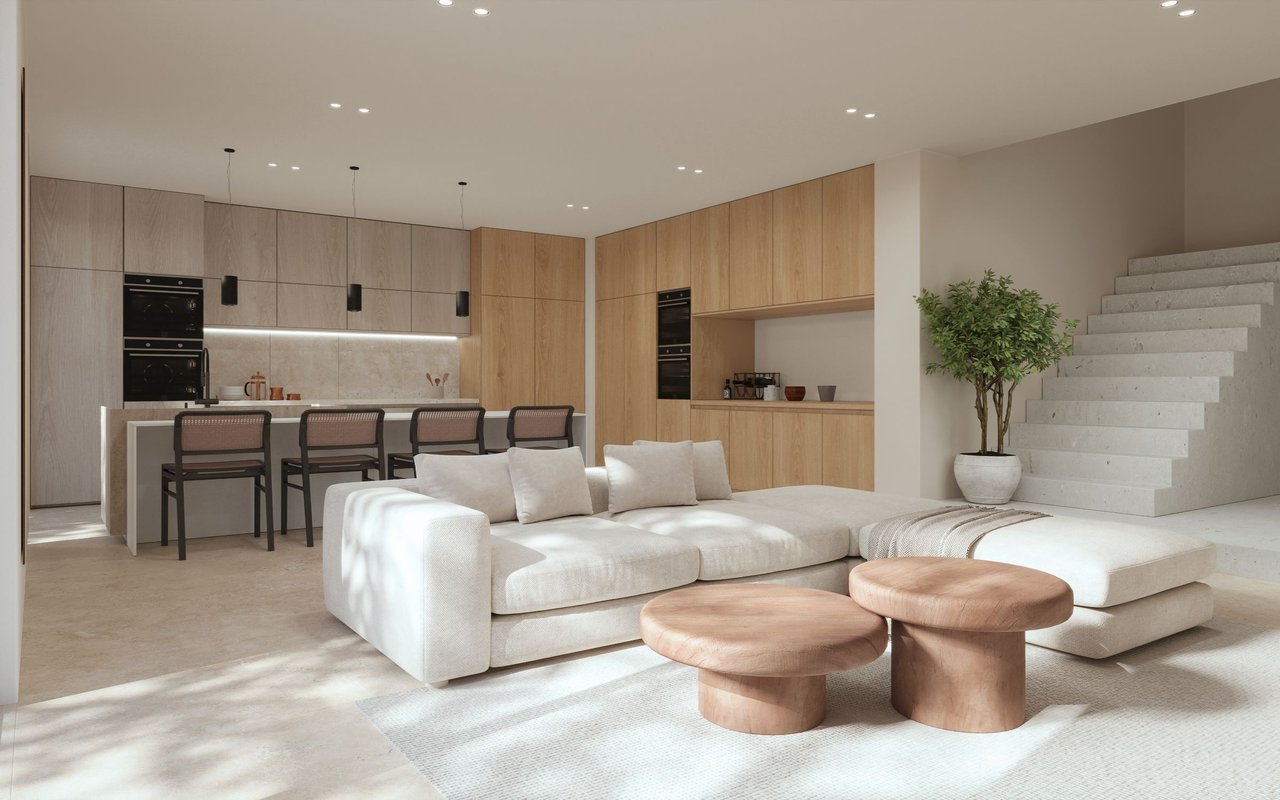
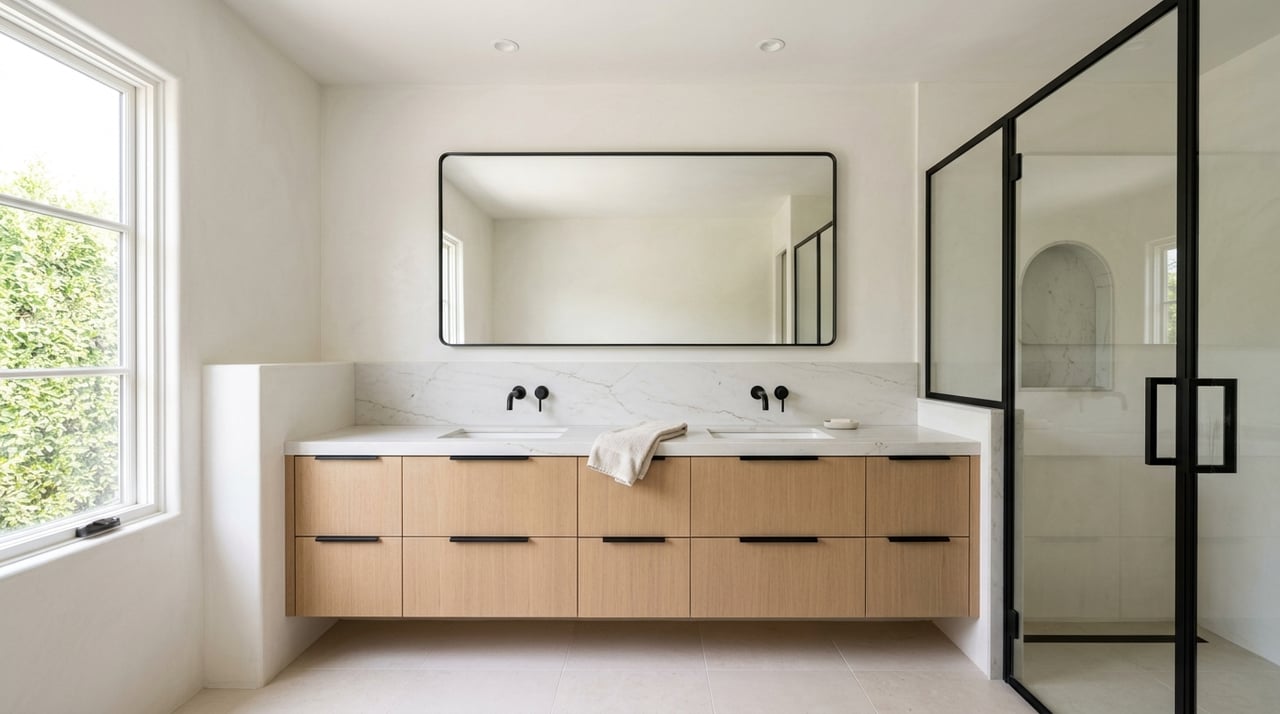
Step 3: Stage for luxury buyers (weeks 2-4)
Thoughtful staging helps buyers visualize lifestyle and scale, which matters with larger homes. The National Association of REALTORS 2025 staging report found that nearly half of sellers’ agents saw reduced time on market, and about 29 percent reported a 1-10 percent improvement in offer value when staging was applied. Focus on the living room, kitchen, and primary suite for the biggest impact (NAR 2025 Home Staging report).
What to expect on budget: occupied-home staging often starts in the low thousands for the first month, and full-home staging on large estates can scale significantly with size and rental duration. Your agent can right-size the plan to your list price and likely buyer profile.
Step 4: Elevate photography and media (weeks 3-4)
In the first 48-72 hours, great visuals drive engagement. Plan a premium package: daylight pro photos, a twilight exterior hero shot, FAA-compliant drone aerials to show ocean or parcel context, and a Matterport-style 3D tour for remote buyers. Any aerial work must follow Part 107 rules, so confirm your pilot’s credentials and insurance (FAA Part 107 overview).
Typical media budgets vary widely by property, but $300-2,000 is a common range for professional photography packages with curated add-ons. Build the budget that matches your price tier, then let the visuals tell the home’s story.
Step 5: Finalize disclosures and launch materials
Complete your disclosure packet, organize inspection and roof/pest reports for buyer review, and have your title and escrow details ready. Solid documentation reduces friction, protects you, and can speed negotiation (California DRE guidance).
Marketing your debut
A phased rollout can help you build momentum:
- Private or soft launch: Share to a vetted buyer list while you complete prep. Useful for privacy or to test pricing.
- Coming Soon: Tease premium media and release date while staging and final work wrap.
- Full MLS syndication: Go live with complete visuals, a compelling property narrative, and clear showing protocols.
Private or off-MLS strategies can limit exposure, which can reduce your buyer pool. A public launch usually maximizes competition, but some sellers value privacy above all. Document your preferences and the rationale in your listing agreement. Your agent should walk you through the options so you can choose the right path.
Core channels for Montecito luxury typically include MLS syndication, targeted broker outreach, curated in-person opens, and selective digital and print placements aimed at Los Angeles, Bay Area, and out-of-state high-net-worth audiences. For best results, pair that distribution with a dedicated property website and high-quality printed brochures for serious showings.
Showings, privacy, and security
If you need extra discretion, consider appointment-only showings, NDAs for access to interior media, and vetted financials before tours. If your goal is broad price discovery, a short, well-priced public launch with a polished debut often draws the strongest attention. Either path is valid. The key is to align your showing plan with your goals and document those instructions clearly.
Offers, terms, and escrow timing
Evaluate more than price. In Montecito, non-price terms often win: proof of funds, contingency scopes, repair caps, possession timing, and preferred escrow logistics can tilt the outcome. California escrows commonly run 30-60 days, and higher-value or cross-jurisdiction deals may extend to 60-90 days. In thin luxury segments, be mindful that appraisals can lag market perception; discuss strategies such as a pre-offer appraisal or data package to support value.
Montecito hazards and permits to address
Local buyers will ask smart questions. Be ready with clear, documentable answers.
- Debris-flow and hillside history: The 2018 event remains top of mind. If your property is hillside or near historic flow paths, gather any drainage, grading, or geotechnical documentation you have so buyers can review it quickly (2018 event background).
- Fire risk and insurance: CalFire’s updated fire hazard maps influence defensible space expectations and may affect underwriting. If your home is in a high or very high zone, assemble home-hardening and vegetation management records for buyers (local fire hazard map update).
- Coastal and bluff considerations: Properties in the Coastal Zone can face Coastal Development Permit questions. Confirm any prior permits or constraints before altering landscaping or visible exterior elements (local coastal program context).
- Property taxes and carrying costs: Model 30-60-90 day holding costs that include taxes, insurance, utilities, landscaping, and any loan interest. For parcel-specific tax details, consult the Santa Barbara County Assessor (County Assessor portal).
- Disclosures: Complete the standard California forms and include any known hazard, permit, or systems information you can document. Accuracy and completeness reduce risk (California DRE guidance).
What it costs and why it pays
- Staging: Occupied-home staging often starts around the low thousands for the first month, with larger vacant estates scaling to five figures based on scope and duration. NAR’s 2025 report ties staging to faster sales and modest price lifts, which can more than cover the cost in luxury tiers (NAR 2025 Home Staging report).
- Media: Premium photography, twilight, aerials, and a 3D tour often total $300-2,000+ depending on property size and production level.
- Concierge financing: Compass Concierge can remove upfront cash barriers by advancing eligible improvement costs and settling at closing, subject to program terms (Compass Concierge overview).
- Commissions: Commission structures are negotiable, and recent industry changes have increased flexibility. Compare marketing deliverables and strategy, not just the rate (commission landscape explainer).
- Carrying costs: Model taxes, insurance, utilities, landscape maintenance, and any mortgage interest for your expected timeline to stay net-proceeds focused (County Assessor portal).
Sample 6-10 week timeline
- Week 0: Strategy consult, pricing band, order inspections and key reports.
- Week 1: Draft disclosures, gather permit history, plan repairs and staging.
- Weeks 1-3: Execute repairs, landscape refresh, light cosmetic updates if warranted.
- Week 3: Staging installation; schedule pro photos, twilight, drone, and 3D tour.
- Week 4: Finalize property website and collateral; host curated broker preview; launch publicly or use a brief Coming Soon window.
- Weeks 5-6: Adjust based on showings and feedback; manage offers and terms.
- Weeks 6-10: Open escrow, complete milestones, and coordinate your move.
Ready to list with a plan?
You deserve a tailored strategy that fits your home, your micro-neighborhood, and your goals. Our team pairs data-driven pricing, polished presentation, and Compass distribution to make your sale feel seamless and secure. If you are considering a move in Montecito, connect with us to map your best path. Request a complimentary home valuation with Hitchcock & Associates.
FAQs
How should I price a Montecito home in 2026?
- Use a custom MLS-based analysis tied to your exact micro-neighborhood and recent comparables, and be prepared to adjust based on early feedback and activity (local MLS snapshot).
What pre-list inspections do Montecito sellers need?
- A general inspection, termite/pest, roof, and pool checks are common; hillside or coastal homes should review permit and geotechnical history before visible work (California disclosures guide).
Do I really need staging for a luxury listing?
- Staging often speeds time on market and can improve offer value by a modest margin, especially when focused on key rooms like the living room, kitchen, and primary suite (NAR staging research).
Are drone photos allowed over my property?
- Yes, if captured by a certified pilot following FAA Part 107 rules; confirm credentials, insurance, and any local restrictions before scheduling flights (FAA Part 107 overview).
What new seller disclosures apply in 2026?
- In addition to standard TDS and NHD, California’s AB 455 requires written disclosure of known tobacco or nicotine residue or on-site smoking history (AB 455 text).
How long will escrow take on a high-end Montecito sale?
- Many escrows close in 30-60 days, with complex or cross-jurisdiction deals extending to 60-90 days; appraisal support in thin markets can help keep timelines on track.