If Montecito has been on your second-home wish list, you already know the appeal is powerful. What many buyers discover later is that owning here is not just about finding a beautiful property. It is also about understanding carrying costs, wildfire readiness, local district fees, and property use rules before you commit. This guide will help you think through the practical side of buying a second home in Montecito so you can move with more clarity and confidence. Let’s dive in.
Why Montecito draws second-home buyers
Montecito is an unincorporated South Coast community in Santa Barbara County, and that matters more than many buyers first realize. County planning, county zoning, and special districts play a central role in how properties are owned, maintained, and improved.
The setting also shapes the ownership experience. The community stretches from the coastline to the Santa Ynez Mountains, which helps explain why buyers are often balancing ocean-close lifestyle goals with hillside access, vegetation management, and emergency planning.
For many second-home buyers, Montecito is a lifestyle purchase first. At the same time, it is a market where the operational details deserve just as much attention as the design, views, and location.
What the Montecito market looks like
Recent market data points to a selective luxury market rather than a broad entry-level one. Realtor.com data cited in the research report showed about 83 homes for sale, a median sale price of roughly $7.0 million, median days on market of 60, and a 98% sale-to-list ratio.
That combination tells you a few important things. Inventory can be limited, pricing is high, and well-matched buyers often need to act with purpose when the right property comes up. Still, speed should never replace due diligence in a market like this.
A second home in Montecito often involves more moving parts than buyers expect. Before you write an offer, it helps to understand not only the market pace but also the physical and regulatory realities of the specific parcel.
What homes in Montecito are like
Montecito has a long residential history, and that history still shapes what you see on the market today. According to the Montecito Association, the area includes a mix of large estates, smaller homes on subdivided property, and more modest homes in a range of styles and sizes.
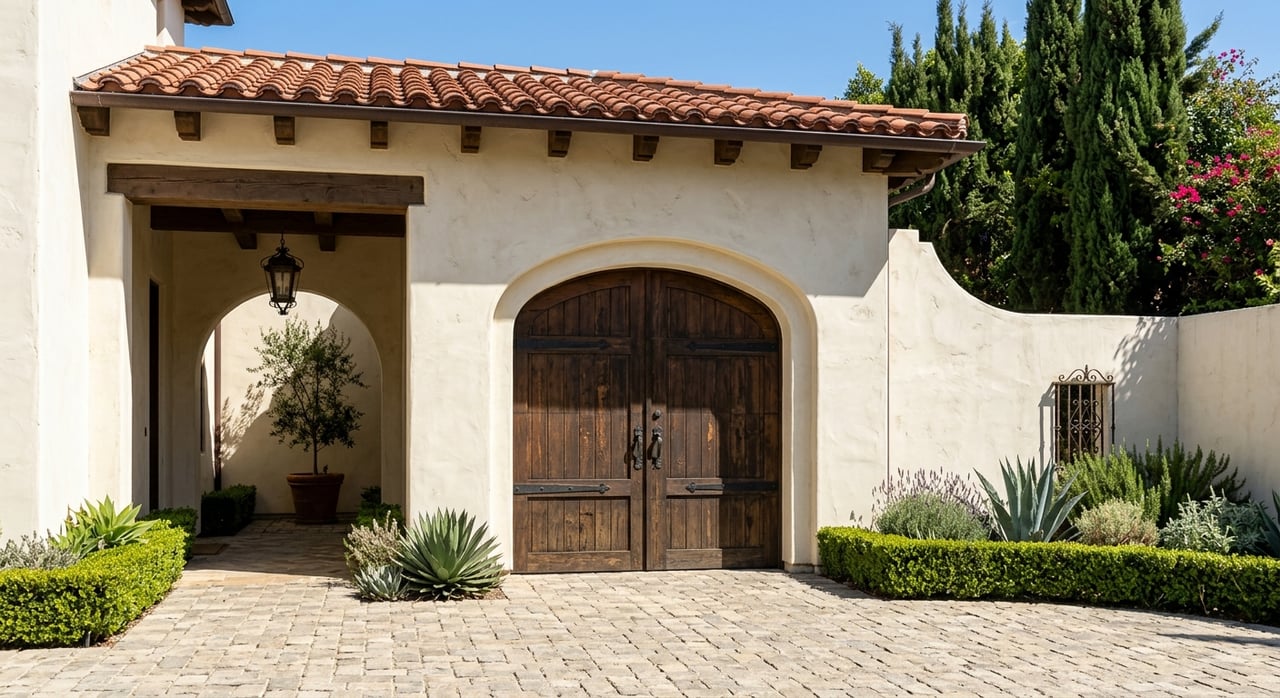
Many buyers associate Montecito most strongly with Spanish Colonial Revival architecture, and that connection is grounded in local history. Casa del Herrero, a Montecito estate from the 1920s and 1930s, is widely recognized as an important example of that architectural style.
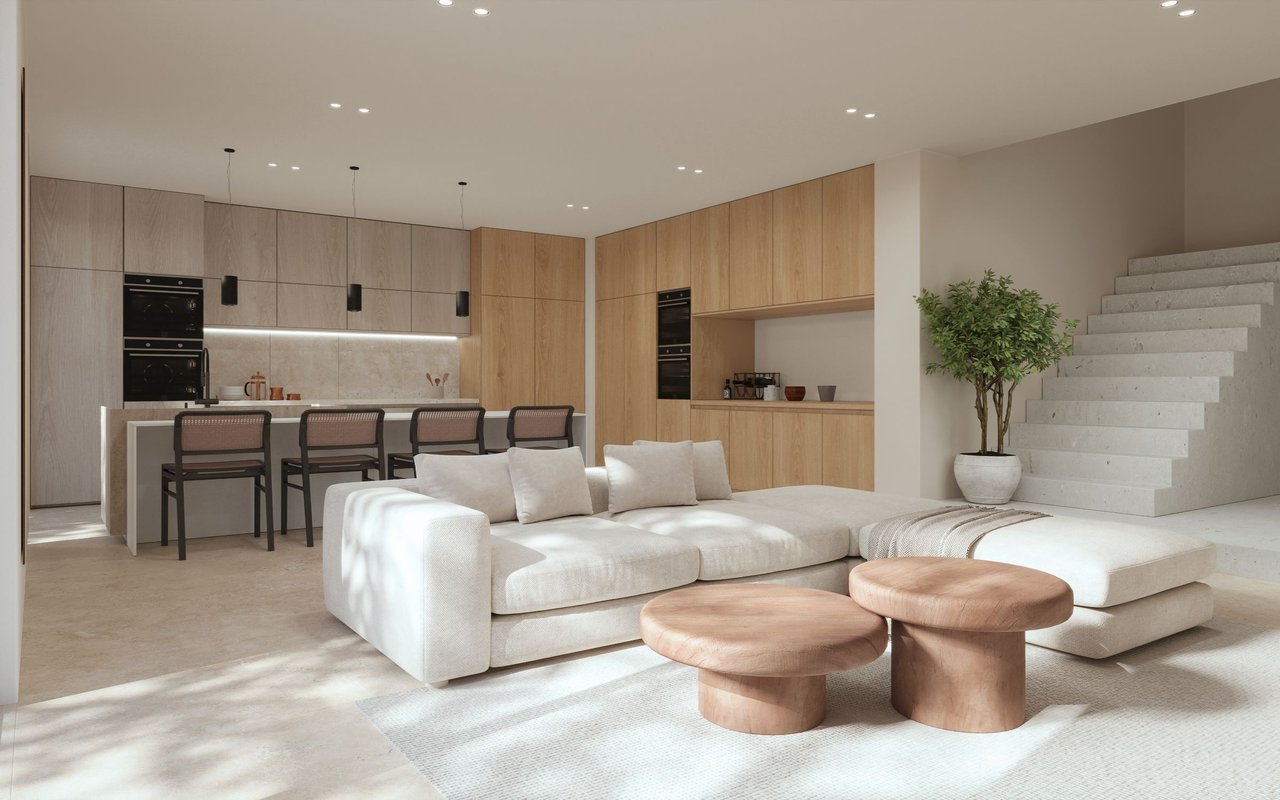
Today, the market includes more than one aesthetic. Buyers may also encounter Mediterranean estates, ranch-style homes, newer custom properties, and some contemporary hillside estates on larger view parcels.
Budget beyond the purchase price
One of the biggest mistakes second-home buyers can make is underwriting Montecito ownership too narrowly. Mortgage and base property tax are only part of the picture.
In California, the homeowners’ exemption applies only to a qualifying owner-occupied principal residence. Because of that, a second home generally should not be budgeted as though it will receive that tax benefit.
California’s property tax calendar also affects your cash flow planning. The first secured installment is due November 1, the second is due February 1, and the second installment becomes delinquent after April 10.
You should also plan for supplemental property taxes. A change in ownership or new construction can trigger a prorated supplemental bill in addition to the annual tax bill, and depending on the timing, one or two supplemental bills may be issued.
District fees and operating costs to expect
Montecito ownership often includes district-level charges that are easy to overlook during an early search. The Montecito Water District recovers water costs through rates and an annual property tax assessment.
The Montecito Sanitary District provides wastewater collection and treatment, and sewer service charges are collected through the county tax roll. These are important ownership costs that should be reviewed before you finalize your budget.
A realistic second-home budget in Montecito may include:
- Mortgage payment or cash carrying costs
- Base property taxes
- Supplemental property tax reserves
- Water district charges
- Sewer-related charges on the tax roll
- Landscaping and irrigation
- Pest and termite work
- General maintenance
- Reserve funds for weather- or wind-related repairs
If the property has larger grounds, slopes, mature vegetation, or more complex exterior systems, those ongoing costs can become even more important.
Wildfire readiness is part of ownership
In Montecito, wildfire planning is not a side issue. It is part of responsible ownership and smart due diligence.
The Montecito Fire Protection District provides fire, rescue, and emergency services, and its preparedness materials emphasize defensible space, home hardening, vegetation management, neighborhood chipping, and evacuation planning. CAL FIRE also classifies fire hazard severity zones statewide as moderate, high, or very high.
For you as a buyer, that means wildfire mitigation and insurance diligence should begin during the home search, not after closing. Access, slope, drainage, roof and exterior materials, vegetation, and ongoing maintenance all affect the ownership profile of a property.
The district’s planning materials also note that the 2017 Thomas Fire and subsequent debris flow changed local conditions. That history is one reason buyers should evaluate evacuation considerations and site conditions with care.
Why access and site conditions matter
A Montecito property can look effortless on showing day and still require meaningful planning behind the scenes. This is especially true for second-home owners who may not be on site full time.
If you are comparing properties, look closely at how each one functions operationally. Driveway access, slope, drainage, exterior upkeep, irrigation demands, and vegetation management can all influence how easy or expensive the home is to maintain.
For a second home, convenience matters. A property that is easier to manage may support your goals better than one that is stunning but maintenance-heavy.
Think carefully about rental plans
Some second-home buyers hope rental income will help offset carrying costs. In Montecito, that assumption needs to be tested carefully on a parcel-by-parcel basis.
County legislative materials define a short-term rental as lodging for 30 consecutive days or less. They also define a homestay as a residential structure where the owner or long-term tenant lives on the same lot at the same time as the guest.
The same materials make clear that permit requirements and conditions must be satisfied before a short-term rental begins. Montecito zoning tables also distinguish homestays from short-term rentals, so buyers should not assume a home is automatically available for Airbnb-style use.
The practical takeaway is simple. Rental income may be a possible offset, but it should not be the core reason to buy unless the parcel’s exact zoning and permit path have already been verified in writing.
A smart second-home buying process
A practical Montecito purchase starts with clarity about your goal. Are you looking for a pure retreat, a renovation opportunity, a low-maintenance lock-and-leave property, or a home that may support limited rental use if allowed?
Once your goals are clear, parcel research becomes essential. Santa Barbara County offers parcel-level tools such as zoning lookup and permit history by parcel, and those records can help you evaluate a property before you write an offer.
Next, you will want to verify service boundaries and ownership logistics. That includes water, sewer, and fire-service boundaries, along with wildfire-preparedness considerations and the likely maintenance demands of the site.
If you plan to remodel, timing also matters. Montecito projects may involve the Montecito Planning Commission and the Montecito Board of Architectural Review, so renovation schedules should account for local review.
How a local team can help
In a market like Montecito, representation is about more than access to listings. It is also about organizing the right information early so your decision is grounded and efficient.
A local buyer’s team can help coordinate parcel research, permit-history review, showing logistics, vendor introductions, and the sequencing of inspections before contingency periods get tight. That kind of coordination can be just as valuable as the price negotiation itself.
For second-home buyers especially, a clear process reduces friction. When you have a team helping you assess use restrictions, district costs, physical condition, and ownership demands, you are better positioned to buy with confidence.
If you are exploring a second home in Montecito, the best next step is a focused strategy built around how you plan to use the property, what level of maintenance you want to take on, and which local details could affect long-term value and enjoyment. When you are ready for tailored guidance, connect with Hitchcock & Associates for thoughtful, high-touch support in the Santa Barbara market.
FAQs
What makes buying a second home in Montecito different?
- Montecito second-home purchases often require closer review of county zoning, district charges, wildfire readiness, access, drainage, and permitted property use than buyers may expect in other markets.
What is the typical price range for Montecito homes?
- Recent market data in the research report showed a median sale price of about $7.0 million, reflecting Montecito’s selective luxury market.
What extra ownership costs should Montecito second-home buyers expect?
- In addition to mortgage and base property taxes, buyers should budget for supplemental property taxes, water district charges, sewer-related charges, landscaping, irrigation, pest work, routine maintenance, and repair reserves.
Can you use a Montecito second home as a short-term rental?
- Not automatically. Santa Barbara County rules define short-term rentals and homestays separately, and permit requirements and zoning conditions must be satisfied before short-term rental use begins.
Why is wildfire planning important when buying in Montecito?
- The local setting, fire district guidance, and statewide fire hazard classifications make defensible space, home hardening, vegetation management, insurance diligence, and evacuation planning important parts of ownership.
What should you check before making an offer on a Montecito property?
- Key items include parcel zoning, permit history, water and sewer service details, fire-service context, access, slope, drainage, maintenance demands, and any planned remodel or rental-use limitations.